HOME | DD
 durrsten — High/Low

#asd #gimp #pen #asperger #aspergers #autism #pencil
Published: 2014-10-21 02:31:38 +0000 UTC; Views: 949; Favourites: 8; Downloads: 0
Redirect to original
Description
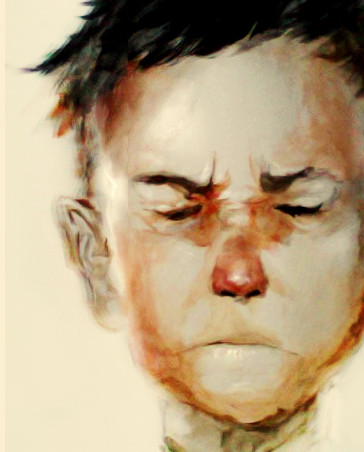
The illustration for my blog post on the nasty, arbitrary labels of "high functioning" and "low functioning" as modifiers for autism."The difference between high functioning autism and low functioning is that high functioning means your deficits are ignored, and low functioning means your assets are ignored."
ref photos of myself taken in Photobooth + pencil, pen, and color&blur in GIMP
Related content









Comments: 3

I think your description, that high-functioning means the deficits are ignored, and low-functioning means the assets are ignored, is a good way of putting it. But not a perfect way of putting it.
While the high-functioning are often not recognized as having a disability, when people know the person is high-functioning autistic, they instead focus on all the weird, creepy, unusual, awkward, etc. things the person does. Heck, even if they don't know the person is autistic, they often focus on the bad, since that's what sticks out. The good is easy to ignore when the bad is so glaring. It's just that, if they don't know the person is autistic, they see the deficits as instead behavior or personality problems. If they know the person is autistic, they see the deficits as examples of the person's brokenness or inferiority.
👍: 0 ⏩: 1

Good point. I think what the quote is getting at (at least, my opinion, and how I read it) is that deficits due to disability or innate difference are ignored. In the sense that when you're "high functioning" your behavior is seen as *weird*, or *bad*, or intentionally misbehaving, creepy, whatever, instead of just something about you that you can't help. When you're considered "high functioning," the expectations of you are much higher, so slip ups are things you're blamed for and held accountable for. When really, the understanding, reasonable response would be to recognize that the person just does things differently, needs accommodations, and so on.
Like, a "high functioning" autistic who is too overwhelmed by a loud family gathering and needs to go home early will have their deficits ignored. Their family goes, "But it's so-and-so's birthday! You can't just leave! You're being so rude! Jeeze! Come on!" But the problem isn't behavioral, it's just a reasonable accommodation that gets denied because the assumption is you shouldn't need accommodations in the first place.
(PS) Sorry for the super late reply! I always forget to check my messages here

👍: 0 ⏩: 1
(How about checking your e-mail messages? I'd sent some before some time back)
I agree. If you fit in the Uncanny Valley, where you're too "normal" to be seen as having problems, but too affected by them not to be, then people treat you like crap rather than understanding.
There's a book called "Pretending to be Normal". Have you heard of it before?
👍: 0 ⏩: 0