HOME | DD
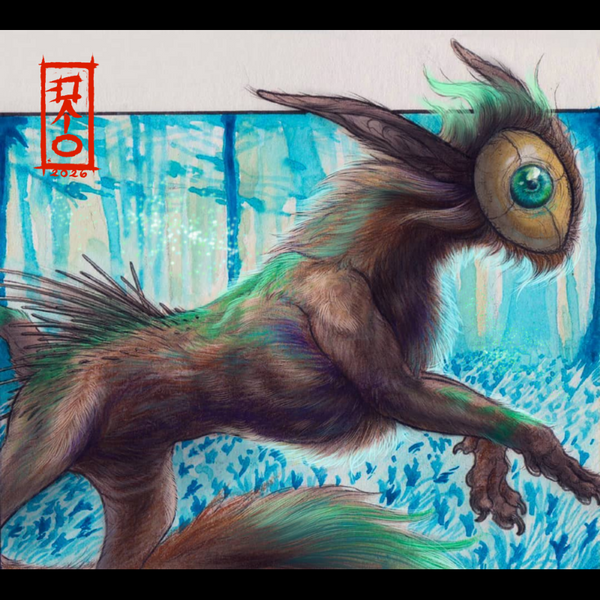
 echo1085 — Gargoyle

#demon #evolution #gargoyle #halloween #october #speculative #stone #xalekia
Published: 2020-10-03 20:10:31 +0000 UTC; Views: 1048; Favourites: 10; Downloads: 1
Redirect to original
Description
Xalekia speculative evolution projectName: gargoyle
Scientific Name: agalmazoi cryptopetra {gargoyle-like hider amongst stones}
Continent: Monterra
Size: relatively small, four feet long including tail
Diet: gargoyles are small mesopredators who feed on smaller organisms. much of their prey is ground-dwelling , where they will perch, perfectly still, blending into a boulder waiting for something to wander by. it then swoops down on its prey and quickly dispatches it with a bite to the back of the neck. Eating prey from trees is not out of the question either and they will more readily feed on arboreal prey at night and sleep during the day, camouflaged curled up so they resemble a stone.
Lifespan: these creatures can live for a very long time, up to their 80's although it's suspected that they can live longer.
Evolved From: basal organism
Description (Optional): They can live in any environment that includes large boulders on which to sunbask, nest, or hide from predators and trees. Gargoylets do not regulate their temperature very well so they spend a lot of time up on the highest rocks, soaking in the sunlight, restricting them to warmer habitats. During breeding season, in early spring, males and females gather together on the highest boulders or outcrops, where they swarm around in a frenzy, all chasing and biting. when a male and female meet together, they will scream and shriek at one another. these animals remain partners for that season, and may choose another next time or remain with the same one. Each pair then moves off to find it's own rock where it will raise its offspring. A single teardrop-shaped blue-speckled egg will be laid on bare rock ledges, where it remains safe from predation. infants are born altricial and their parents will take turn incubating and bring food to the infant. after about three weeks, it will stretch its wings and practice flying about.