HOME | DD
 MonOreo717 — Cambrian Kill

#cambrianlife #extinctlife #opabinia_regalis #hallucigenia_sparsa #cambrian #extinct #extinction #hallucigenia #opabinia #paleoart #paleontology #pixelart #pixelartist #prehistoric #prehistoriclife #prehistory #pixelartwork #palaeozoic #paleoartist #paleozoicera #cambrianperiod #palaeozoicera #opabiniidae #hallucigeniidae
Published: 2022-02-25 18:09:30 +0000 UTC; Views: 3000; Favourites: 7; Downloads: 0
Redirect to original
Description
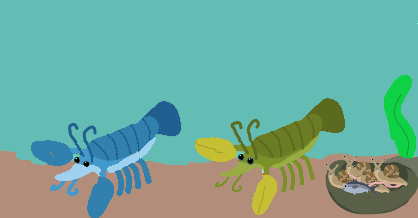
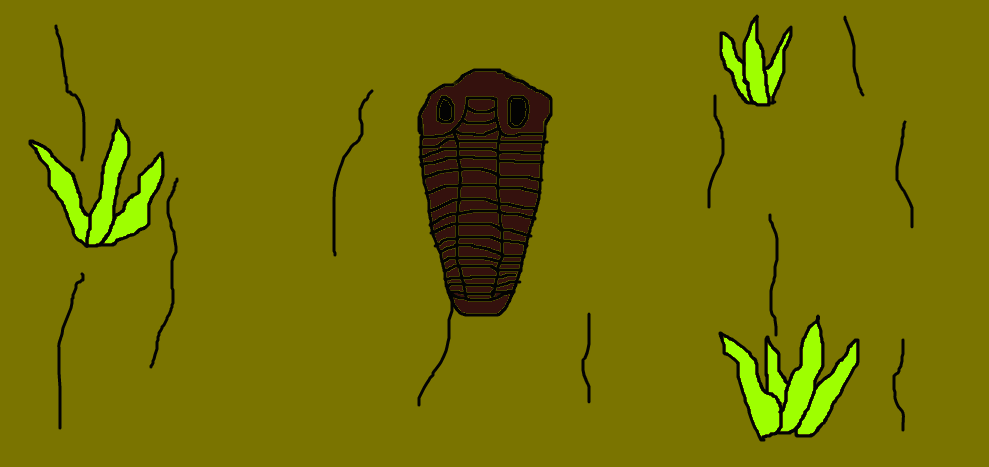
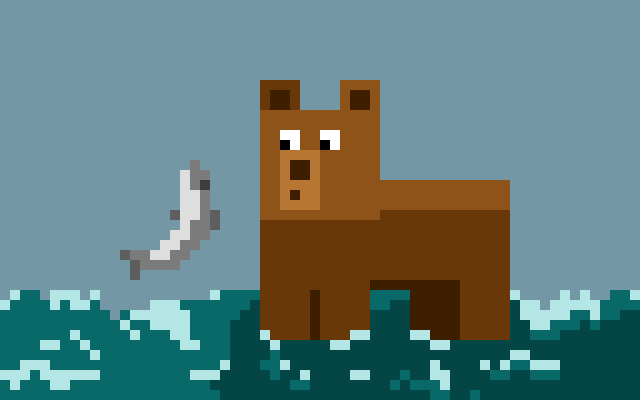
In the Cambrian seas, around 506 million years ago, a young adult Opabinia regalis, a stem arthropod species with five eyes and a strange feeding method - a mouth perched at the end of a long, arm like appendage, has traveled into shallow water, or at least what we would consider shallow water. Most Cambrian animals are quite small, tiny enough for someone to hold in their hand. But suddenly, it sees something.A bizarre shape sits on the ground before it. It is a Hallucigenia sparsa, named for its bizarre appearance - unlike any other creature ever found. It may be a panarthropod, a relative of velvet worms and tardigrades still alive today. It walks about on seven pairs of legs, somewhat similar to a caterpillar's false limbs. It has six feelers near its head, which it uses to find food. And finally, it protects itself from predators with spines all over its back. But its other senses are not particularly well developed - unlike the predatory Opabinia now stalking it.
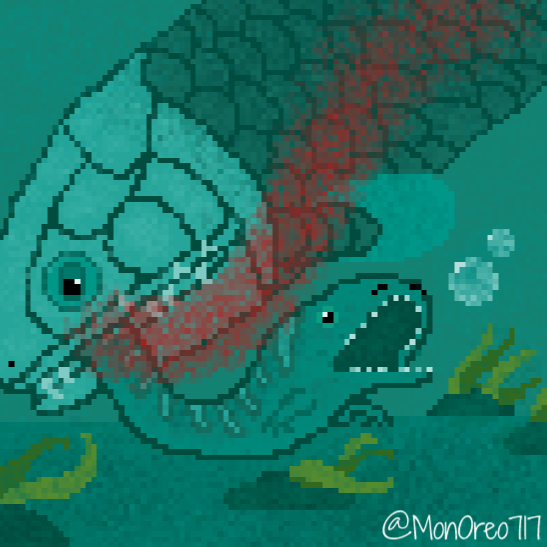
The Opabinia swims above the Hallucigenia, and then dives back down, its "mouth" ready to grasp the ancient worm's head. It locks on before the Hallucigenia can engage its defense mechanism - rolling up like an armadillo, its back spines pointing out in every direction, making it immune to attack. The mouth grabs hold of the Hallucigenia, and purple blood quickly flows out, dissipating in the water as it slowly drifts from the dying worm. Its chances of survival are low to none, and today, the Opabinia will most likely sit itself down to a nice panarthropod lunch.