HOME | DD
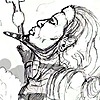 Thrillosopher — Elf Shot

#christianity #digital #digitalpainting #elf #elves #mythology #pencil #uk #elfshot #christianart #digitalillustration #elfelves #elfmale #elvesfantasy #feathers #graphitedrawing #historical #medievalfantasy #mixedmedia #mixedmediaart #pencilillustration #pencilsketch #sketchdrawing #supernatural #cupidsarrow #historicallyaccurate
Published: 2022-05-08 20:28:52 +0000 UTC; Views: 3418; Favourites: 25; Downloads: 0
Redirect to original
Description
Graphite pencil on paper, painted digitally.The Elf's earliest appearance tended to come from Anglo-Saxon medieval Christian medical texts which blamed elves for illness in livestock, or afflictions in humans – most commonly, they were blamed for sharp, internal pains or mental disorders. A tenth-century Old English text, the Wið færstice (surviving in a collection known as Lacnunga) translates as ‘against a sudden/violent stabbing pain’ and is a charm intended to cure the pain which had been caused by being shot by witches, elves, or other malicious spirits. A salve is suggested, but the charm is the important part. This is a good example how early medicine often combined science and magic (although contemporaries would not view it in this modern dichotomy).
Whilst this suggests elves were thought to cause disease using weapons, they are generally more clearly associated with using a type of magic. As the medieval period went on, elves became associated more and more as being female rather than male, which is probably due to the British cultural values which emphasises femininity as the beauty ideal – if elves are beautiful, and beauty is female, elves must be female. The legend developed alongside medieval romantic traditions of fairies and the Fairy Queen and elves began to borrow qualities from fairies, or even be used interchangeably with fairies. Increasingly, elves were viewed more as sexual beings full of sexual allure, rather than being associated with disease. They also became associated with the art of alchemy – the transmutation of materials into better ones, particularly gold – which was also associated with the creation of an elixir of immortality.
As the medieval period drew to a close, references to elves in English culture tended to die out (potentially due to their synonymy with fairies?) but the legend remained strong in early modern Scotland. This is probably why references to elves become prominent in early modern Scottish witchcraft trials. Here, the idea of elves as causing disease remained strong, and many depositions show that people believed that they knew of people or animals that had been made sick by elves. Neolithic arrow heads which had been found seem to have been thought to have been made by elves, and evidence from a few witchcraft trials show that these arrow heads were used in healing rituals, or used by alleged witches to injure people.
justhistoryposts.com/2017/04/2…


