HOME | DD
 Colddigger — Shuffleg7

Published: 2014-05-27 04:48:02 +0000 UTC; Views: 204; Favourites: 2; Downloads: 0
Redirect to original
Description
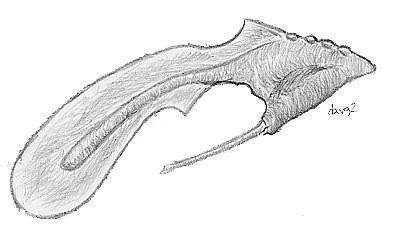
Descendant of: Tendril FloraDiet: sunlight, muck(if close enough to the seabed)
Size: 20 - 25 m (stretched out) (colonies can be as tall as the sea is deep)
Location: north, northwest
Reproduction: asexual
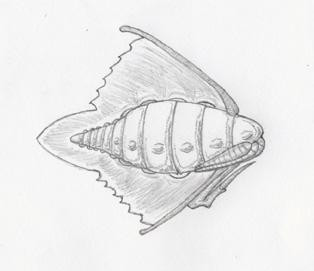
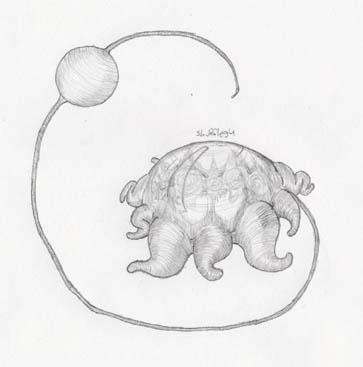
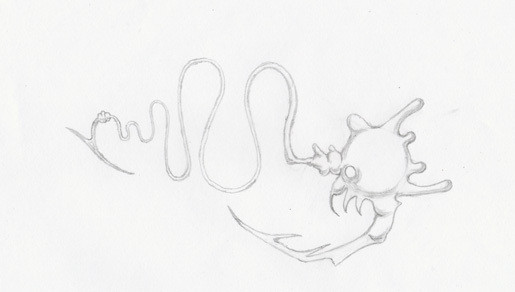
as you might of guessed, the tendril flora flipped to make this, what was once used for photosynthesis is now a fat tendril used to store oil, starch, and fat, basically a really big tuber. the tuber tendril alone can make up half the length of the critter, it's used to move the critter around in the water also it can(although the end is anchored into the colony spire) pull the worm into the spire during signs of danger, they are also used to take in material for spire production from either the muck or old parts of the spire itself. They make large colony-spires out of their cement. the tendrils once used for moving around flattened and grew long and blade like, they have tiny oil pockets used to keep them facing towards the surface, the bases are also full of oil. the chemicals used as defense against predators were traded in for something more cement-like to make colony spires, the excretors lengthened and became mobile to have spire production easier, the sporoid tendril became tough, full of cartiledge.
LOL HISTORY
The tendril flora flipped and started storing in the long tendril as well as its body, the hallucinogen was traded for cement which became a brittle, thin shell over the tendril-stalk. Over time as the flora were devoured by predators these stalk-shells became thicker, the parts used for excreting the cement became longer and maneuverable. The body of the flora was able to be pulled into the stalk-shell, and the short tentacles became blade-like and better at photosynthesis. Soon the tendril around the sporoid became tough to support the body outside of the stalk-shell, the stalk became a tuber, thick with storage and used for moving the critter in and out of the stalk-shell, and the stalk-shell became even thicker. Eventually the flora clustered together, making tall spires, the blades became very long, the tubers became huge, partly because of storage, partly because they had to dig through old spire to get to the muck at the bottom.