HOME | DD
 Laboi — Segma

#ant #bug #effect #hive #insect #mass #sophont #sapient #segma #alienspecies #speculativeevolution #speculativebiology #masseffectfanart
Published: 2022-05-17 01:27:42 +0000 UTC; Views: 1652; Favourites: 6; Downloads: 2
Redirect to original
Description
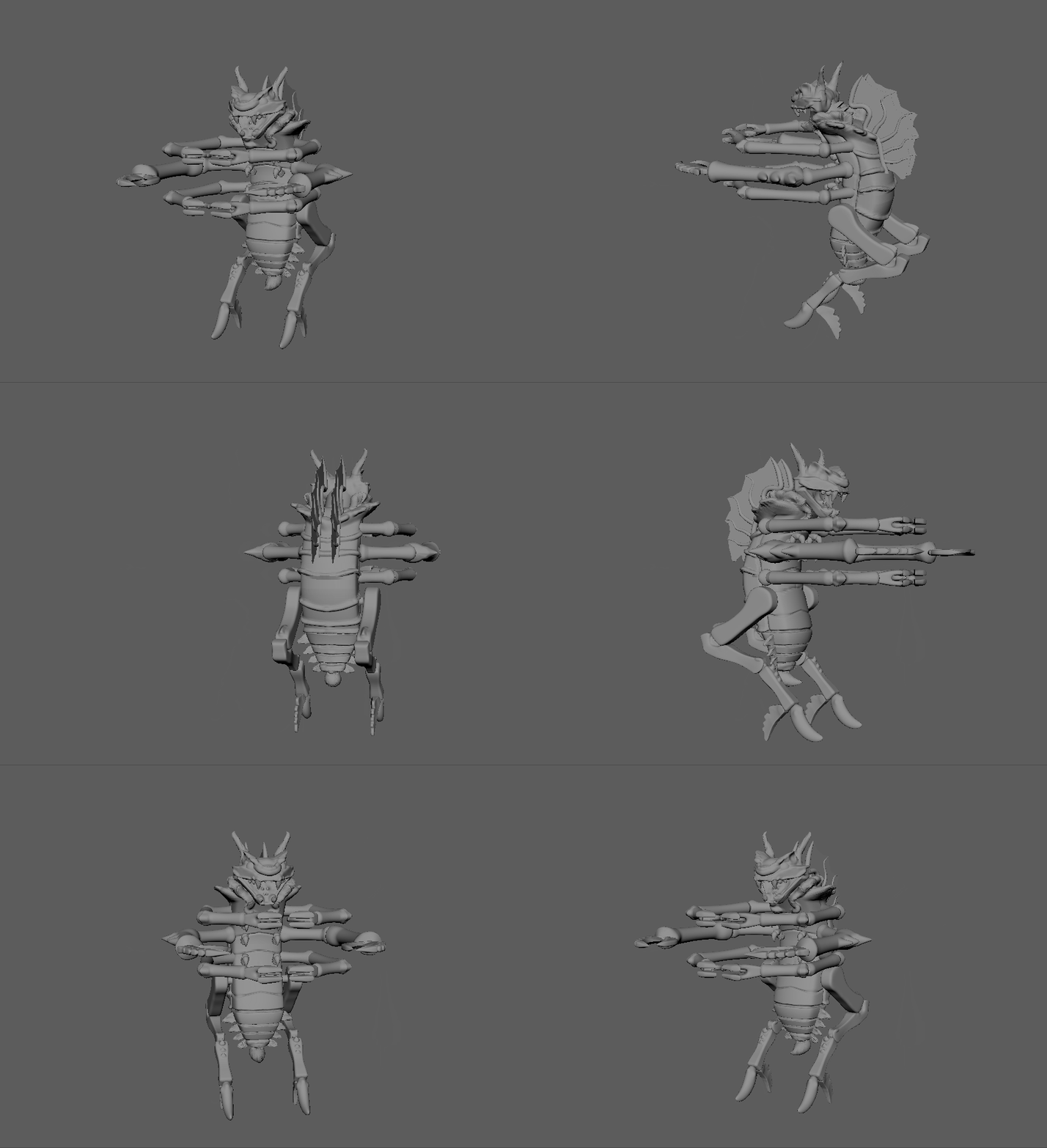
www.artstation.com/artwork/X1Y…Despite being an insectoid race the Segma do not display the typical hive mind found in most insect species, instead each member displays highly individualistic personalities. The Segma have a highly industrial and technology-based culture. Innovation is highly valued amongst their people, with new inventions and techniques leading to a higher status in their society. Upon discovery the Segma’s technological level was above 21st century Earth’s, with members of the species being able to physically travel to other planetary bodies with in their system.
Segma hail from the planet Apid, as one of the planet’s two dominate species. Until recently they were in an evolutionary arm’s race with their rival species the Hergalurigrans. Eventually this ended with a peace accords nearly a century ago with the Segma sharing their technology as part of the agreement between the two species. Since then they have agreed to live in society with one another, though some tensions still remain.
The average height of a segma is around 1.5 meters, and they have an average lifespan of 52 standard years. Segma are omnivorous, their strong mandibles being able to slice through the exotic plants and animals of their world. Their small bodies are cover in a hard, chitinous exoskeleton that molts every seven years. Their five compound eyes grant them a 360-degree field of vision, and their antennae can sense changes in the air current, making it almost impossible to sneak up on a segma.
Females of the species have larger abdomens then the males and typically lay between 2-5 eggs each brood, with usually both parents raising the young. After hatching young segma spend their first two years of life in a larval stage before cocooning themselves and emerging as diminutive forms of their parents.