HOME | DD
 PatchKatz — Day 11 - Cruel

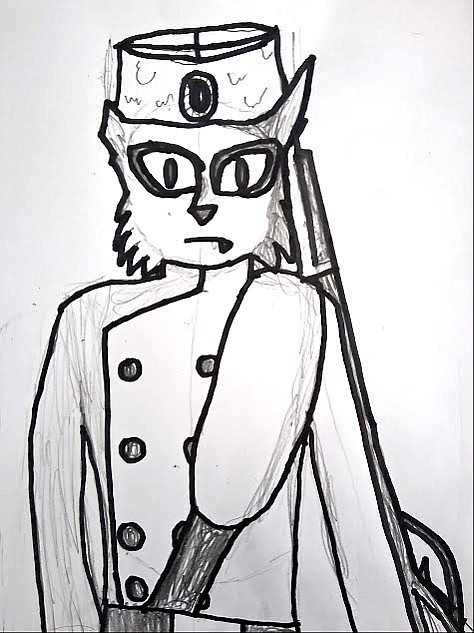
#rifle #soldier #inktober2018 #cadillo #inktober
Published: 2018-10-11 20:13:37 +0000 UTC; Views: 931; Favourites: 4; Downloads: 1
Redirect to original
Description
The capital penalty was used by all participants of the war as punishment for several different faults. The militaries involved in the war considered serious crimes acts such as desertion, espionage, mutiny, passing of information, or fraternisation with the enemy. These were not always punished by death; often times, military judges would avoid this measure when dealing with officers. However, it was a common way of dealing with desertion and cowardice, as high command officers believed any more lenient punishment would encourage others to take the risk of deserting.
Despite this, hundreds of soldiers were executed during the war. The British Army executed 306 of their own, mostly for desertion and cowardice. These executions later became controversial as psychological studies revealed that many of the soldiers executed were only presenting symptoms of shell shock, what we now know as post-traumatic stress disorder. The men were mentally broken by the horrors of war, and they were paralysed because of this, unable to follow any orders.
“We were in the trenches. I was so cold I went out (and took shelter in a farm house). They took me to prison so I will have to go in front of the court. I will try my best to get out of it, so don’t worry.”
-Last letter home by Private Abe Bevistein, shot by firing squad at Labourse, near Calais. He was 16 years old.
____________
I wish to address something about the topics I've been dealing with throughout this Inktober project. I got to think and consider a few things during a conversation I had with some friends stemming from Day 9 - Precious . War is hell. There is no denying this fact. Beyond any cause that might justify a war, as necessary as it might be seen, war itself is a tragedy. I started this month with several lighter subjects, sprinkled with the darker realities of war indirectly. Day 9 was my first attempt to depict death, and it's probably not going to be the last. I feel I have to show the bleaker side of the war directly, along with the lighter moments, because war has the greatest human tragedy of all. It is the only instance that can bring both the very best and worst out of mankind.
It is in this context that we find the bravest and most selfless acts of kindness, as well as the worst atrocities and grossest crimes against our fellow humans. We cannot separate these and still talk about the nature of war. We have to remember it all, and never forget the lengths that people will go to either help or harm others. We have to remember the ones who lost their lives, whoever they were, wherever they fell. We cannot change the past, but we can learn from it. Hopefully, the lessons of history can guide us into a better future. We cannot stop or avoid all suffering, but we can and should try regardless.
Remembrance is important. We have to remember the human cost of war. The countless lives that were lost in the pyre of modern war cannot be forgotten. Remembrance is not about glorifying war, but about keeping the human aspect of war in the light. No amount of progress can justify war, but that progress was borne on the deaths of millions, and for that they at least deserve remembrance. Their lives and deaths must always be a constant reminder that war should never be an option to solving human conflicts.
Related content





Comments: 2

Patches I very much appreciate the way in which you've tackled the subject matter of this series so far. It's been illuminating and informative without any hint of either glorifying or outright demonizing the subject - a very practical look at history.
👍: 0 ⏩: 1

I try my best. I really appreciate that you take the time to read these -w-
👍: 0 ⏩: 0