HOME | DD
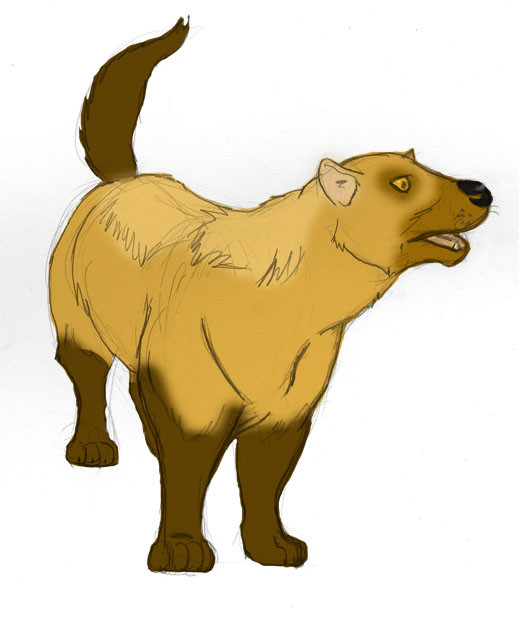
 Patchi1995 — Wolverines

#carcajou #glutton #gulo #marten #mustelid #wolverine #skunkbear #quickhatch #patchi1995 #ingitiszoan
Published: 2017-03-08 00:39:24 +0000 UTC; Views: 5740; Favourites: 29; Downloads: 15
Redirect to original
Description
Common Name: WolverineCommon Name Synonyms: Glutton, Gulo, Carcajou, Skunk Bear, Quickhatch
Scientific Name: Gulo gulo
Size: 30-45cm in the shoulders, 65-107cm from snout to tail-base + 15-25cm long tail = 80-132cm from snout to tail.
Classification: Caniform
Habitat: ,Arctic, Mountains, Forests,
Diet: Omnivorous; diet consisted of carrion, rodents, insectivorous mammals, rabbits, ungulates, martens, lynxes, bobcats, coyote pups, wolf pups, weasels, berries, eggs, birds, roots, seeds, insect larvae
Description: Native to the Northern Hemisphere, wolverines are one of the largest members of the mustelid family, rivaled against the giant(by their size) and sea otters(by their weight), but they are more closely related to tayras and martens, than their size rivals. They can be fearsome and brave, as they are called, Honey Badgers of the North, thanks for the superhero from Marvel's comics, Wolverine. Possibly that wolverine boar harems with one or three sows, while the boars are left without their mates. They can rival against coyotes, pumas, badgers, wolves(red, eastern, and graey), bears(e.g. black, moon, brown, grizzly, and polar), even rarely leopards, dholes, and tigers, for their kills, and territories. We do see that wolverines had reputations as scavengers, which they are known as "gluttons." In Eurasia, that wolverines are native from Scandinavia, to all the way to Russia, while American wolverines are native from Alaska to almost all over north of Canada. Even thought wolverines are least concern, but they are listed as one of the Endangered Species, due to the fact that some people who can hunt and trap them for their fur, but non-poacher humans conserve these ferocious gluttons for protection. Most wolverines had really thick winter coat, to protect them from the frigid cold times during winter, so they can prey upon larger prey when their prey was weak in the winter cold.
Art (C) Shawn Brunner ,aka Patchi1995
Related content








Comments: 4

👍: 0 ⏩: 0

👍: 0 ⏩: 0

